
Press Releases
- Details
- Category: Press Releases
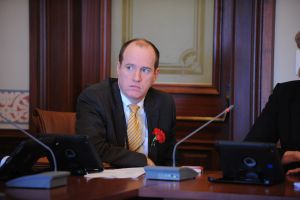 SPRINGFIELD—Senator Bill Cunningham voted on Wednesday to override the governor’s veto of Senate Bill 2043, which would fund MAP grants and send money to community colleges.
“This administration made promises to more than 125,000 students that they would receive the MAP grant. What we did over a month ago was give the governor the opportunity to keep those promises,” said Senator Cunningham, “But the governor’s veto concerns me. There seems to be no intention to keep those promises and that will only deal irreparable damage to our integrity as a state.”
“We also have to consider community colleges in this situation. Many of them have approved or will be approving faculty layoffs. These are faculty members that have an impact in the classroom and yet this governor has once again said no to ensuring that the classrooms are properly staffed.”
Senator Cunningham represents portions of Worth, Orland and Palos Townships in the southwest suburbs and the neighborhoods of Mt. Greenwood, Beverly, Morgan Park and Auburn-Gresham in Chicago.
- Details
- Category: Press Releases
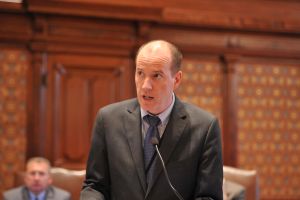 CHICAGO— Senator Cunningham recently sent a letter to an official at Palos Community Hospital urging the hospital to reconsider their current plans to close Palos Health and Fitness Center and attempt to protect the facility and the services it provides.
“This facility provides unique services that many in the community utilize to leading a healthy lifestyle,” said Senator Cunningham. “I respectfully ask that Palos Community Hospital reconsider their decision or find a way to continue to provide this excellent service to their community.”
- Details
- Category: Press Releases
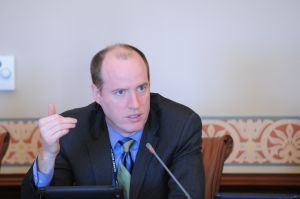 SPRINGFIELD—On Thursday, Senator Bill Cunningham joined his colleagues on passing a bill that would appropriate $397.1 million in MAP Grant funds for FY 2016. The legislation would also appropriate money for operations of community colleges.
“We need to put MAP grant money where it belongs. We promised students that it would be there and it would only continue to damage our credibility if we tried to take it away. I urge the governor to quickly sign this legislation so our students can have the comfort of knowing we do support them,” Cunningham said.
- Details
- Category: Press Releases
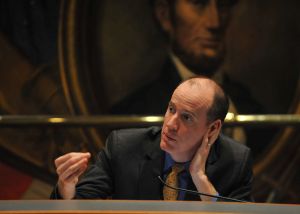 CHICAGO-- Senator Bill Cunningham had the following statement in response to the Republican backed proposal of a state takeover of Chicago Public Schools:
“A state takeover and forced bankruptcy won’t help our teachers. We need to be working with them to get them the resources they need. Not trying to undermine their work and economic stability.”
- Details
- Category: Press Releases
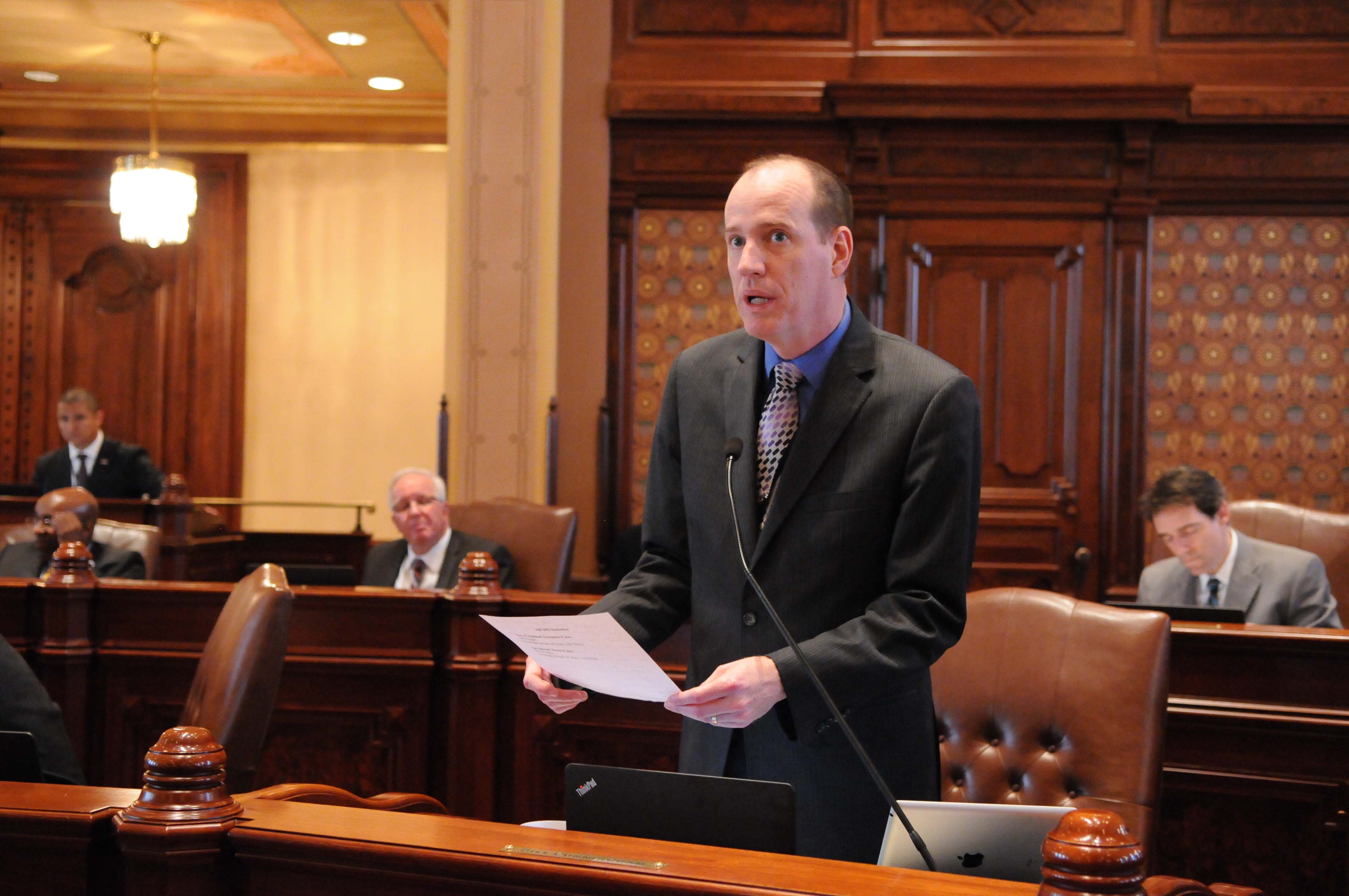 On Monday, December 7, the Senate voted to pass SB 2039. The legislation would release many non-GRF funds to go where they belong. The Motor Fuel Tax money, or gas tax, is one of the group of funds being released to local governments.
“It is time that we give this money to the communities that need it for public safety issues, like fixing potholes,” said Senator Bill Cunningham, who voted to send gas tax revenue to local communities in May, as well.
- Details
- Category: Press Releases
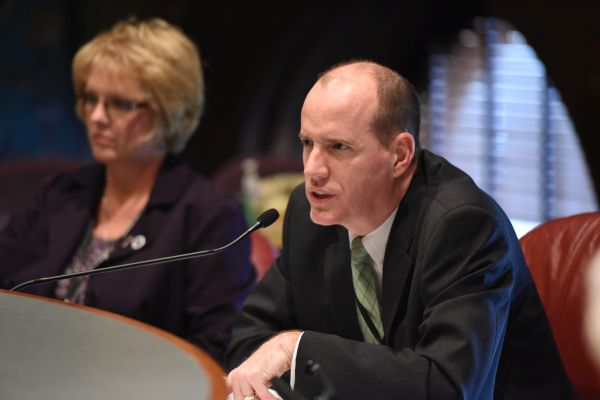 CHICAGO – In an effort to reduce administrative costs and help hold the line on college tuition growth, State Senator Bill Cunningham (D-18) has proposed a series of reforms in how higher education executives in Illinois are compensated. These reforms were sparked by a report revealing inappropriate practices, including the recent scandals at the College of DuPage.
“Institutions of higher learning in our state have been plagued by recent controversies involving mismanagement or misconduct by college presidents, which cost taxpayers and tuition-payers millions of dollars in legal fees and severance payouts," Cunningham said. "We need to reform our laws to ensure more transparency and accountability in the administration of our public colleges and universities."
- Details
- Category: Press Releases
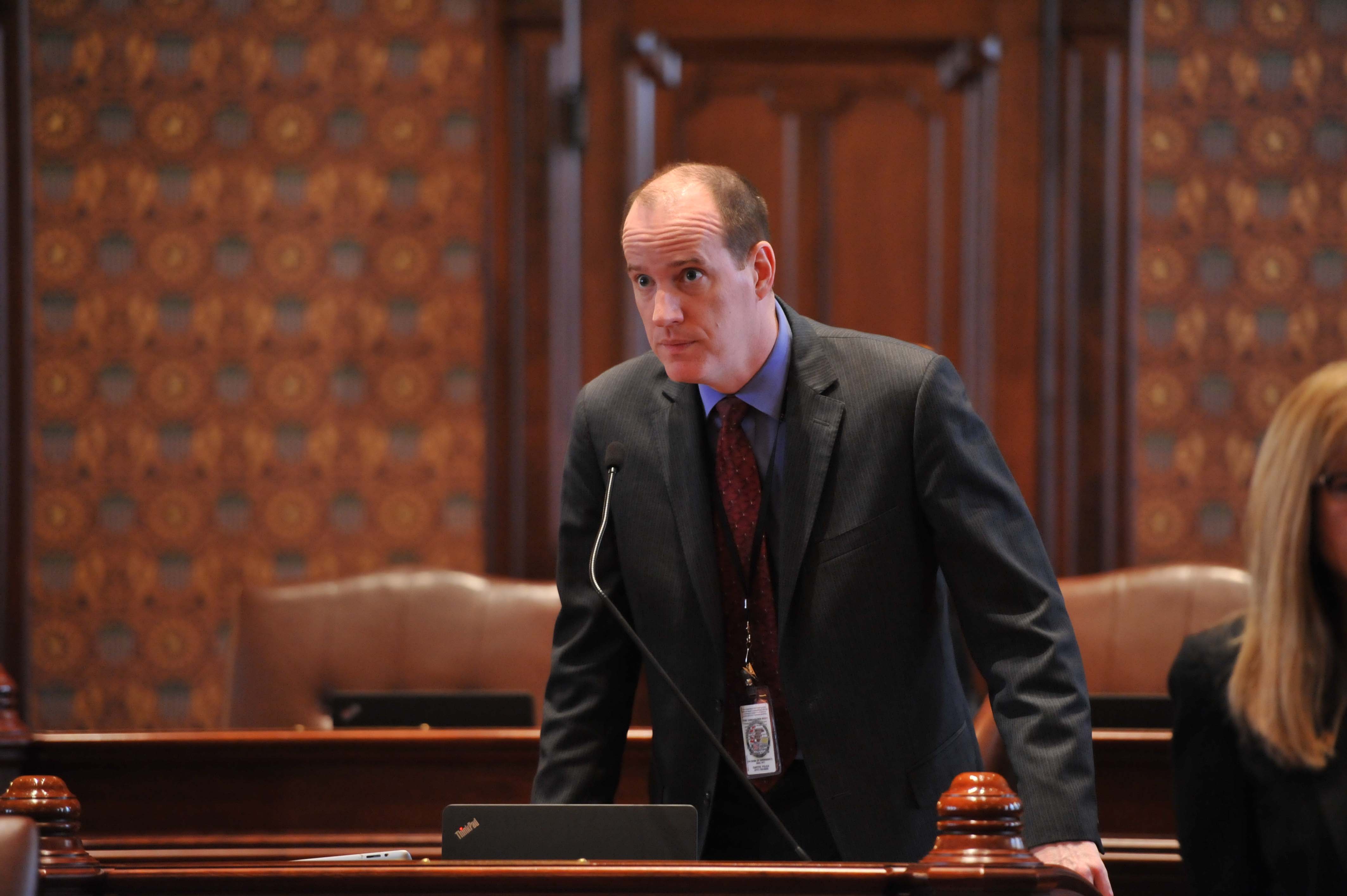 Springfield - Months of work by members of the media and the Illinois General Assembly have culminated in a special report detailing costly administrative practices at our state’s public universities and community colleges. The report brings to light growing administrative costs and generous executive compensation packages that have helped fuel tuition increases for Illinois students.
"This report found that many public colleges and universities have been too quick to award lavish benefits to their executives and increase the number of administrative employees they assign to non-instructional post," State Senator Bill Cunningham said. "While these practices are never welcome, they are particularly troubling during difficult budgetary times and when college tuition rates have grown faster than any other expenses faced by middle class families."
The initial draft report was issued by Senator Cunningham, who chairs the Illinois State Senate’s Higher Education Sub-committee on Executive Compensation. According to the report, presidents at public universities in Illinois often receive cash bonuses, country club memberships, and housing and vehicle allowances, this despite enjoying a median salary of nearly $300,000 a year.
“When you look at the numbers in this report, they indicate a trend of bloated administrations at our public universities and community colleges. If the General Assembly is going to invest more in higher education, we want to insure those investments are going directly into the classroom and not to more administration,” Senator Cunningham continued.
The special sub-committee was assembled and began work after a series of media reports detailing questionable contracts and severance packages for administrators at the College of DuPage in Glen Ellyn and at Illinois State University in Normal. The report covers public higher education institutions across the state and found similar instances of opaque negotiations, contract extensions approved without discussions and issues dealing with pensions, such as excessive sick-day buyouts.
The report goes on to explain possible reforms to limit these practices, including reforms to the Open Meetings Act as well as auditing reforms.
“I don’t think we are proposing anything too radical here. I think it’s mostly commonsense reforms that we are seeking here. Over the summer, we will have a series of hearings to take a closer look at the report and discuss proposed reforms,” Senator Cunningham said.
Please take a moment to read the report at the Illinois Senate Democrats website.
- Details
- Category: Press Releases
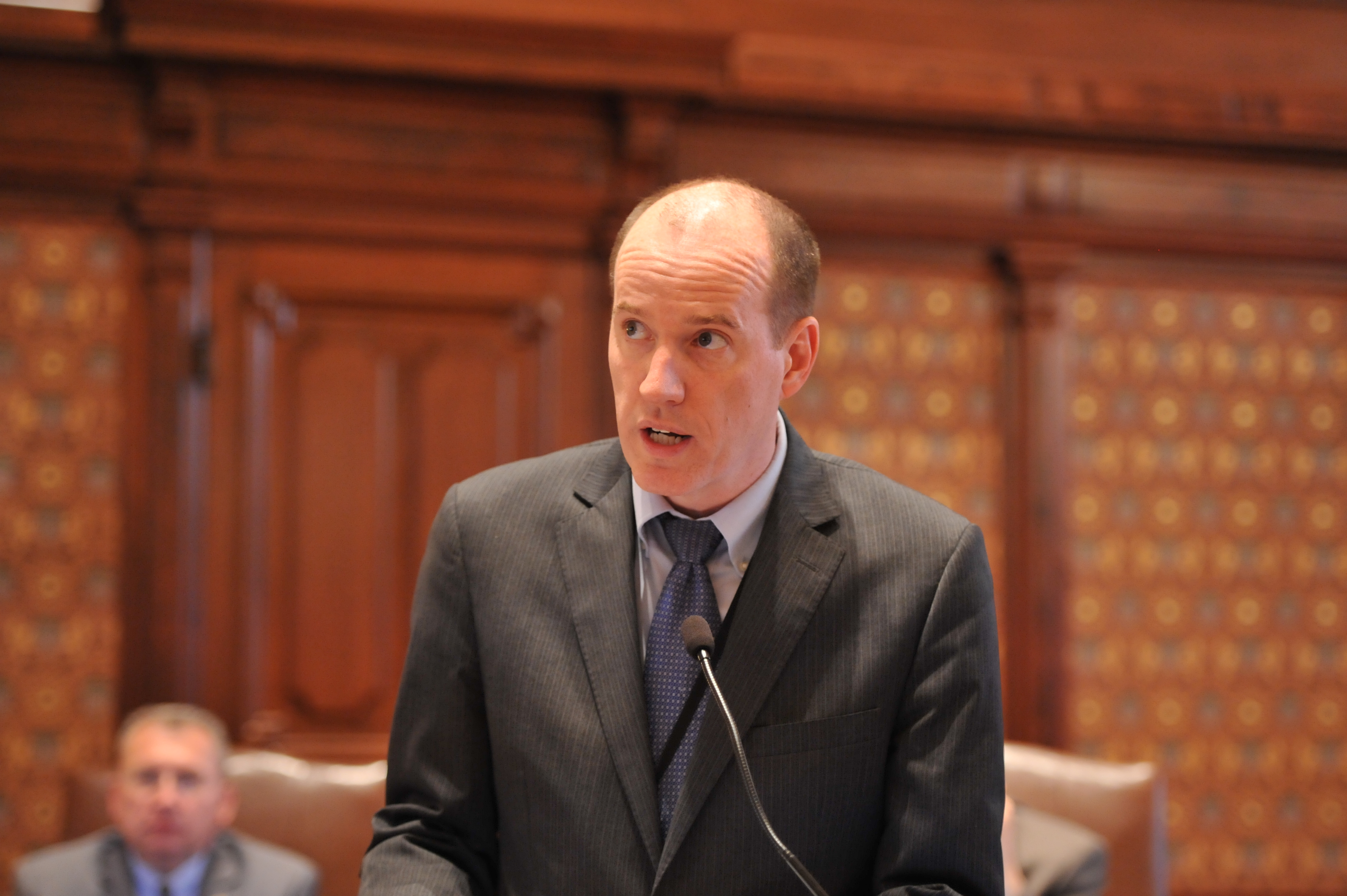 SPRINGFIELD – In light of an economic agenda put forth by the Governor’s office, Illinois Senate Democrats are proposing a package of legislation to increase tuition tax credits, raise the minimum wage to $11 an hour and close millions worth of corporate tax loopholes. The Senate Democrats are proposing the plan after negotiations with Governor Rauner stalled.
“When I began working in public service, I pledged to protect and better the lives of the families and residents of my district. The agenda put forth by the Governor does nothing to help working families get ahead. Our plan will help students get a better education, help working families increase their take home pay and help eliminate the millions in corporate loopholes,” Senator Cunningham said.
The agenda unveiled Sunday contains five key provisions:
- Tuition Tax Credit. Qualified parents or students who are Illinois residents can claim a tax credit for higher education expenses incurred at any qualified public or private university, community college, vocational school, or other postsecondary educational institution located in Illinois.
- Minimum wage. Increases the state minimum wage to $9.00 on July 1, 2015 and by $0.50 each year thereafter until the minimum wage reaches $11.00 on July 1, 2019. Provides a three-year tax credit for employers with less than 50 employees.
- Illinois College Promise Program. Covers tuition and mandatory fees for up to two years at any of the state’s 48 community colleges so long as the student continues to meet all applicable eligibility requirements.
- Healthy Workplace Act. Guarantees up to seven paid days of sick time to full and part time employees. Sick time would accrue at a rate of one hour for every 30 hours worked. Employees would not be able to take sick time for the first 120 days of employment
- Corporate loopholes. Ends a variety of corporate tax breaks including corporations ability to automatically receive a tax breaks for production outside of Illinois. Closing these loopholes will bring the state $334 million.
“The plan we are putting forth is a common-sense approach to making the lives of working families better, helping students get a good, solid education and making certain that corporations start sharing in the sacrifice that many of our families have already shared in,” Cunningham said.
The new proposal come as Governor Bruce Rauner has threatened to shut down state government and end state services if lawmakers don’t reduce worker protections, make it harder to sue corporations that make dangerous products and slash billions of dollars in services to at-risk children and seniors.
Senator Cunningham plans to co-sponsor the legislation along with numerous other Senate Democrats. The proposals could be in final form for possible votes should lawmakers be called back into session this summer.
More Articles …
Page 30 of 37

Follow Sen. Cunningham


eNewsletter Signup
Contact Info
Springfield Office:
Senator 18th District
325-G Capitol Building
Springfield, IL 62706
(217) 782-5145
(217) 782-2115 FAX
District Offices:
10400 S. Western Ave.
Chicago, IL 60643
(773) 445-8128
(773) 672-5143 FAX