
Press Releases
- Details
- Category: Press Releases
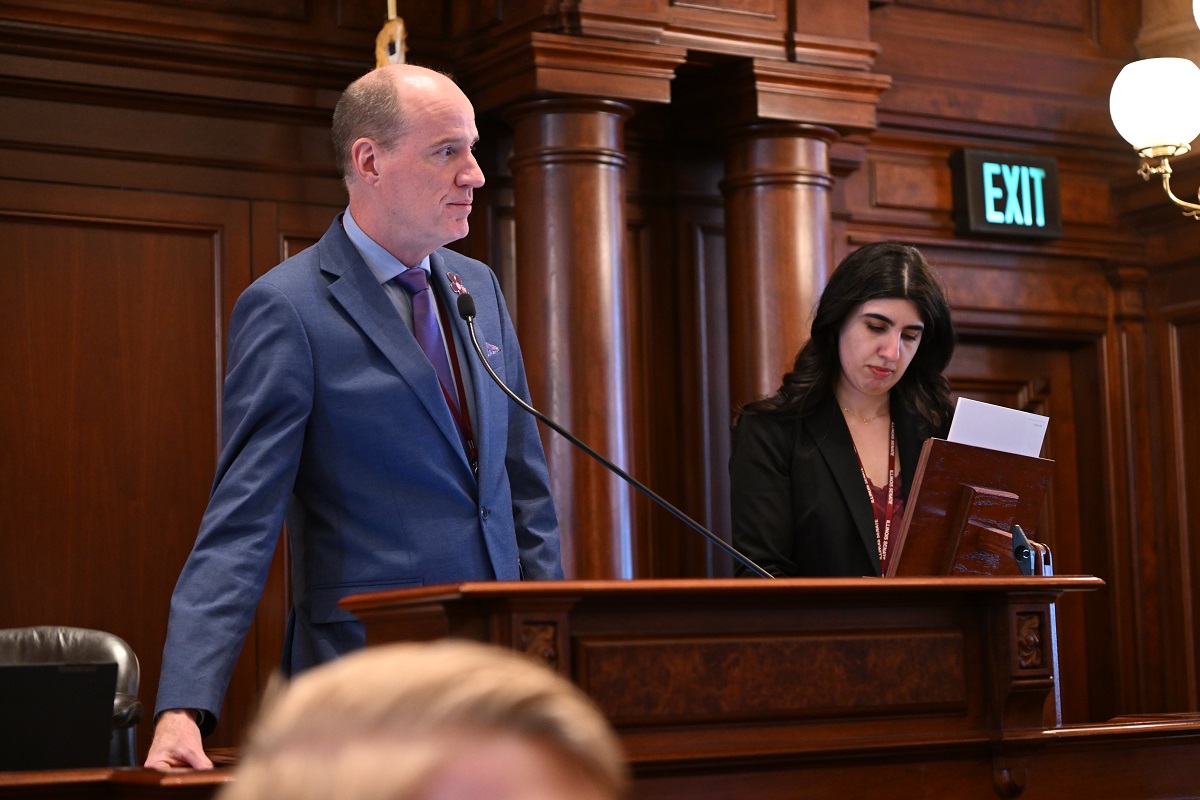
SPRINGFIELD – State Senator Bill Cunningham’s measure to help law enforcement agencies recruit and retain qualified deputy sheriffs has become law.
“As we face a shortage of police officers in our state, we have formed a program to help foster groups of young people into qualified public servants,” said Cunningham a Democrat who represents portions of Chicago and the Southwest Suburbs. “This will not only help address the shortage but also ensure that our future police officers are ones our communities can count on for their safety.”
Under the new law, the state will maintain the current minimum age requirement of 21 years old for county police officers, while allowing individuals to serve beginning at age 20 if they have completed two years of law enforcement studies at an accredited college or university. The measure will also allow correctional officers and full-time deputy sheriffs not employed as county police officers to be appointed beginning at age 18.
Furthermore, county police officers would continue to serve a probationary period of at least 12 months. Correctional officers and full-time deputy sheriffs not employed as county police officers would serve a 15-month probationary period.
“Public safety is our top priority. This isn’t a fast track to get young people into the police system,” said Cunningham. “Rather, it gives our departments the flexibility to choose candidates who are young and looking to get involved in law enforcement.”
Senate Bill 1700 was signed into law Thursday.
- Details
- Category: Press Releases
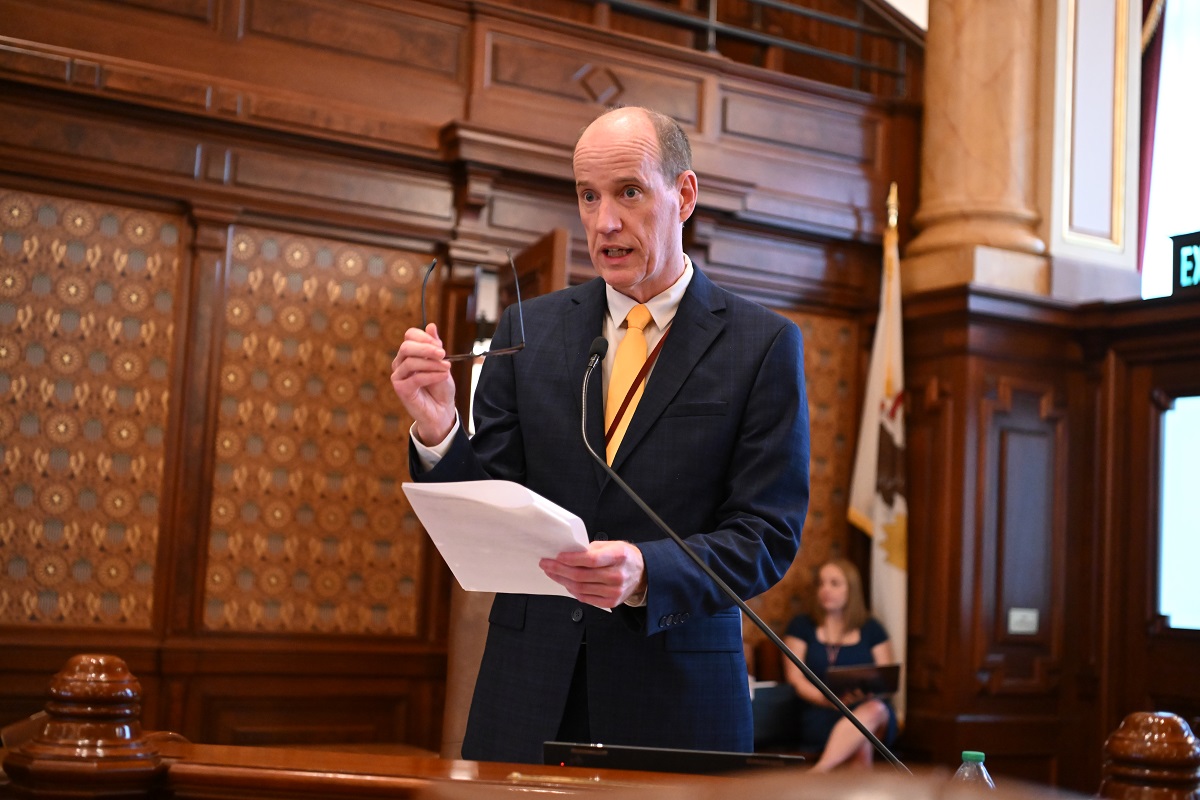
SPRINGFIELD – State Senator Bill Cunningham’s Senate Bill 3273 that clears the way for schools to develop solar energy projects has become law.
“With energy prices on the rise, our schools need every avenue to cut costs,” said Cunningham, a Democrat who represents portions of Chicago and the Southwest Suburbs. “By streamlining the process we are making it more convenient for schools to make the switch to a clean energy alternative.
Under the new law electric utilities would be required to complete interconnection-related evaluations, reviews and screenings within 30 days after determining that a request is complete. Public school projects would also bypass the standard interconnection queue, allowing them to move forward more quickly.
- Details
- Category: Press Releases
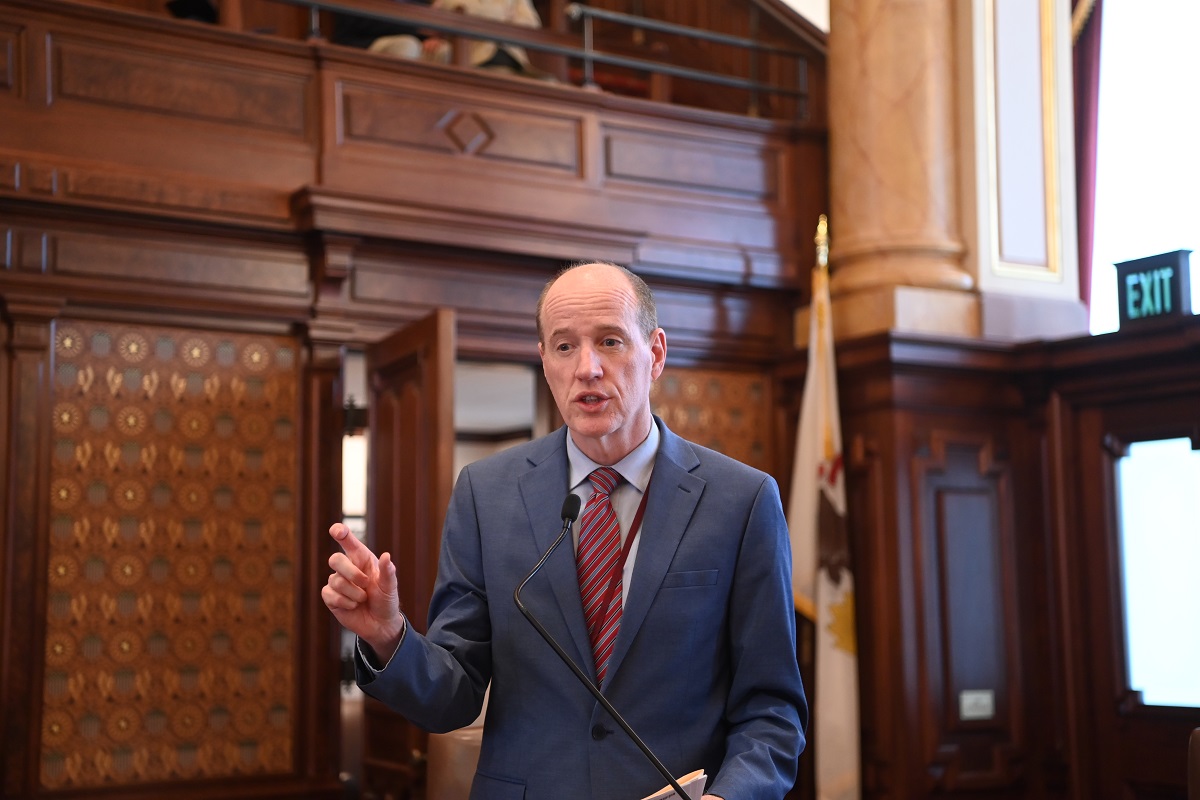
SPRINGFIELD – State Senator Bill Cunningham championed a resolution to designate a portion of Southwest Highway in Palos Park as “Dave Sanders Way,” honoring David Sanders’ decades of service and leadership at The Center in Palos Park.
“For generations, The Center in Palos Park has been a place where people have come together to learn, grow, reflect and support one another,” said Cunningham a Democrat who represents portions of Chicago and the Southwest Suburbs. “David Sanders dedicated his life to continuing that mission, and this designation is a fitting tribute to the impact he and his family have had on countless people throughout our communities.”
Senate Joint Resolution 60 would designate Southwest Highway between 12600 and 13100 as “Dave Sanders Way” in recognition of Sanders’ lasting impact on the Palos Park community and the greater Chicagoland region. Founded in 1932 by Reverend Paul T. Sanders and Elizabeth Sanders, The Center in Palos Park has served as a regional resource for more than 90 years. Under David Sanders’ leadership, The Center expanded programs and services focused on spiritual care, youth programming, agricultural education, the arts, counseling and recovery support.
“David Sanders’ leadership helped make The Center a welcoming place for people of all ages and backgrounds,” Cunningham said. “His commitment to service and community has left a lasting mark on Palos Park and the entire region.”
Senate Joint Resolution 60 was adopted by the Senate Saturday.
- Details
- Category: Press Releases
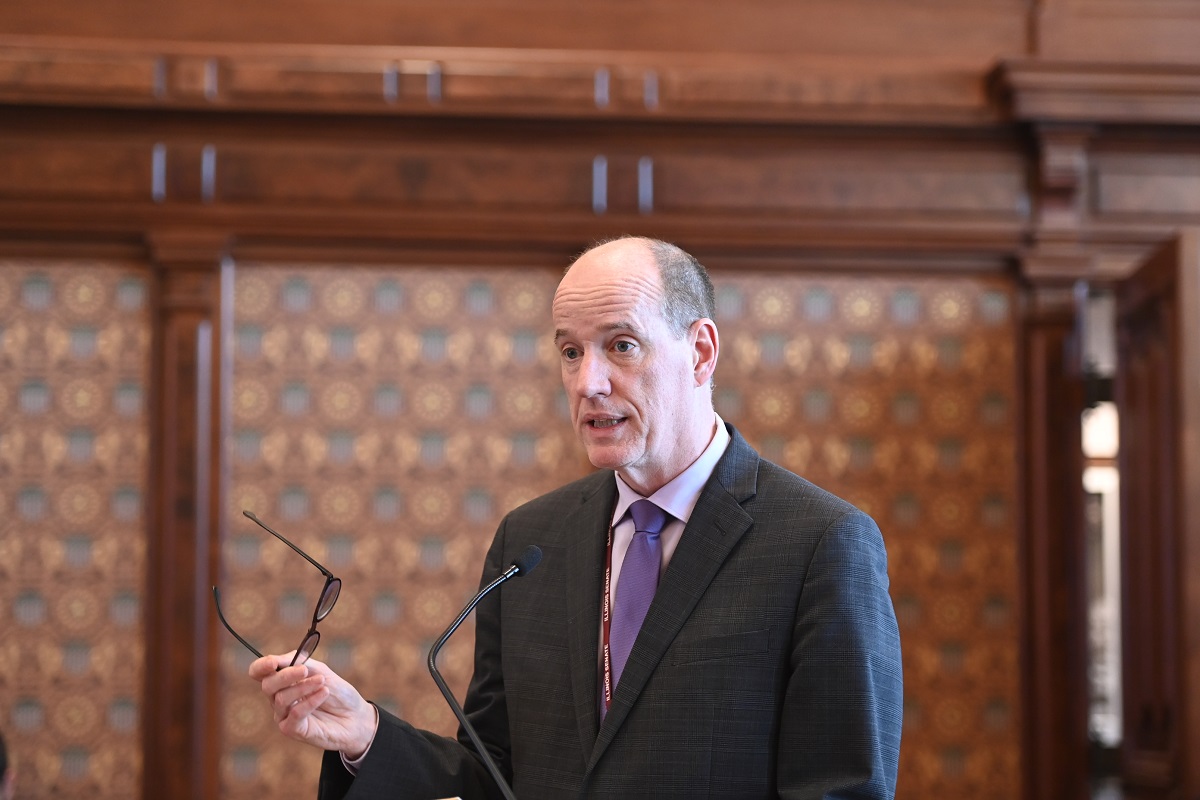
SPRINGFIELD - State Senator Bill Cunningham has advanced legislation to help Illinois public schools develop solar energy projects.
“As we look at the rising costs of good and utilities across our country, we must make sure our schools have every alternative to lower their costs,” said Cunningham, a Democrat who represents portions of Chicago and the Southwest Suburbs. “This legislation will help streamline the process for schools who want to participate in our states clean energy alternatives.”
Under Senate Bill 3273, electric utilities would be required to complete interconnection-related evaluations, reviews and screenings within 30 days after determining that a request is complete. Public school projects would also bypass the standard interconnection queue, allowing them to move forward more quickly.
The legislation also would require utilities to disclose upgrade costs and construction timelines to schools as soon as possible after completing interconnection reviews, giving school districts clearer information when planning projects.
“By cutting the red tape that surrounds solar developments we are making a convenient path for schools to cut cost and help make our states switch to clean energy alternatives possible,” said Cunningham.
Senate Bill 3273 passed the Senate on Wednesday.
- Details
- Category: Press Releases
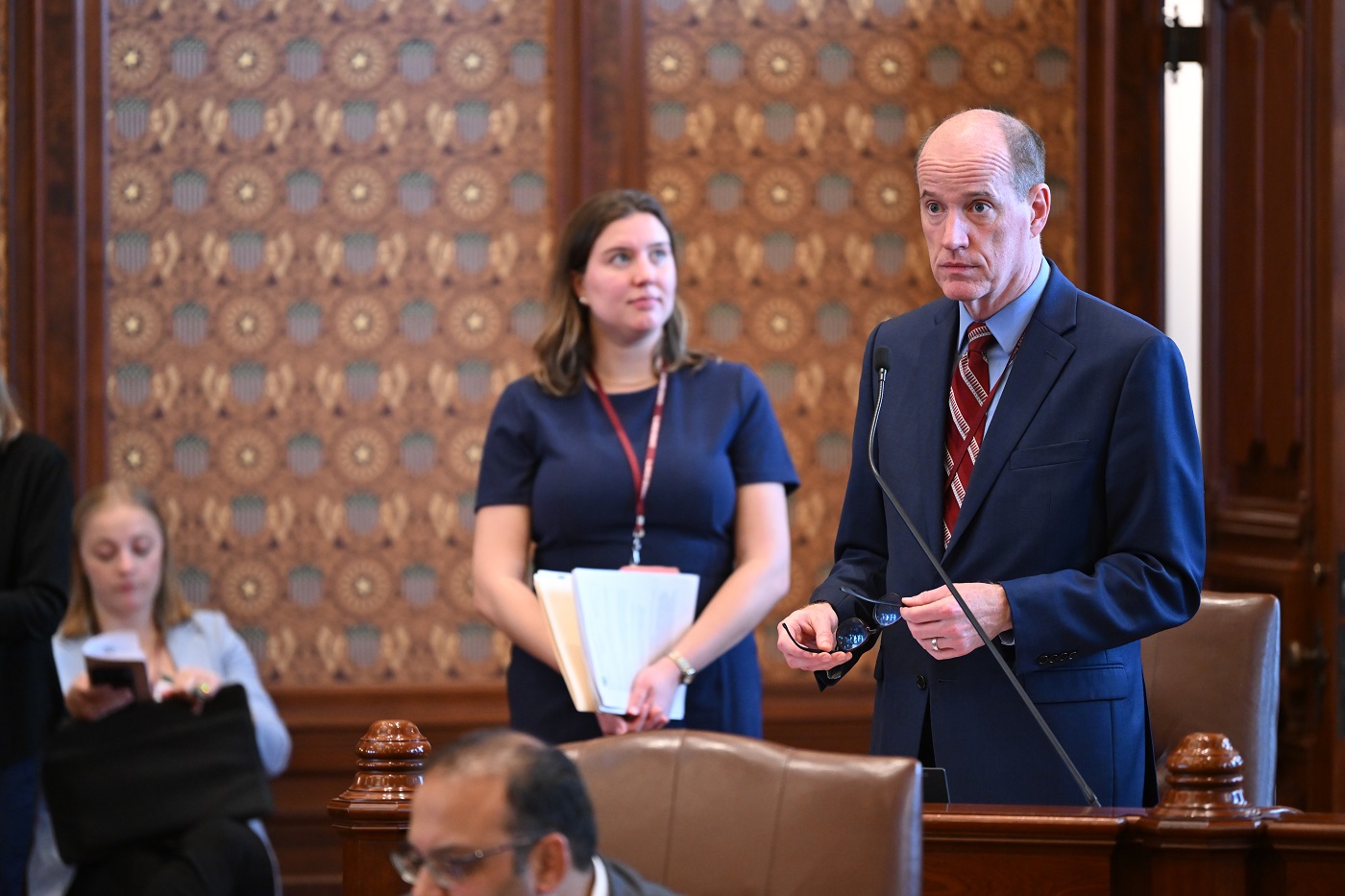
SPRINGFIELD – State Senator Bill Cunningham advanced legislation that would help law enforcement agencies recruit and retain qualified deputy sheriffs.
“Departments across the state are facing ongoing staffing shortages, and we need to make sure qualified young adults have a pathway into public service careers,” said Cunningham a Democrat who represents portions of Chicago and the Southwest Suburbs. “This legislation helps modernize recruitment standards while maintaining important training and probationary requirements.”
Senate Bill 1700 would maintain the current minimum age requirement of 21 years old for county police officers, while allowing individuals to serve beginning at age 20 if they have completed two years of law enforcement studies at an accredited college or university. The measure would also allow correctional officers and full-time deputy sheriffs not employed as county police officers to be appointed beginning at age 18.
Under the bill, county police officers would continue to serve a probationary period of at least 12 months. Correctional officers and full-time deputy sheriffs not employed as county police officers would serve a 15-month probationary period.
“This is about giving departments more flexibility while ensuring public safety remains the priority,” Cunningham said. “By strengthening recruitment efforts and maintaining accountability standards, we can better support law enforcement agencies and the communities they serve.”
Senate Bill 1700 passed the Senate on Wednesday.
- Details
- Category: Press Releases
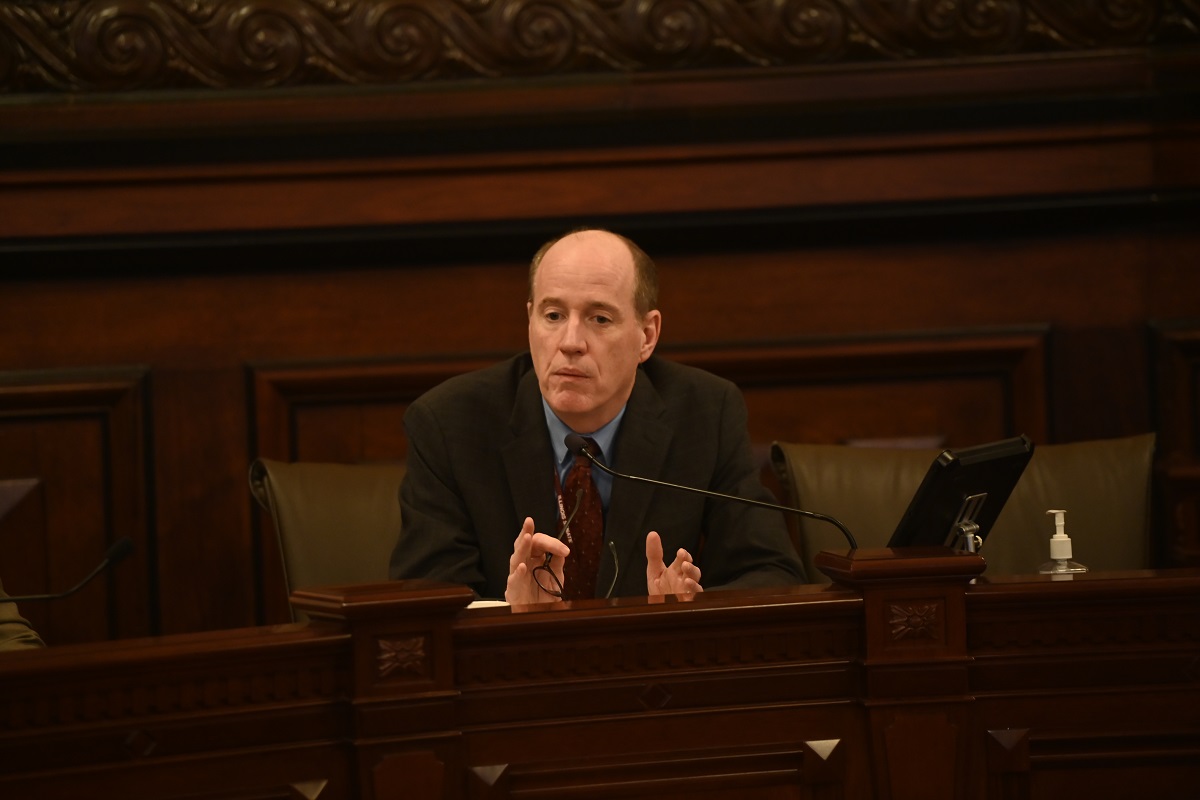
SPRINGFIELD – State Senator Bill Cunningham’s legislation to formalize mobile IDs and protect people’s personal device advanced to the House.
“Your phone holds some of your most personal information, and no one should be required to hand it over just to prove who they are,” said Cunningham, a Democrat who represents portions of Chicago and the Southwest Suburbs. “Losing possession of your phone for so many of us means losing your wallet, your ID and a bank of your personal information and photos.”
Senate Bill 3449 —an initiative of Secretary of State Alexi Giannoulias – would update state law to align terminology and requirements related to mobile identification, ensuring clarity and consistency as digital ID technology becomes more widely used. In addition to formalizing mobile IDs, this bill would prohibit any relying party, including law enforcement, from physically taking a person’s phone to verify a mobile ID. The provision would ensure individuals maintain control of their personal devices during the verification process.
“People shouldn’t have to risk exposing personal information just to show identification,” said Cunningham. “This bill ensures mobile IDs are used in a way that protects both privacy and security.”
Senate Bill 3449 passed out of the Senate and moves to the House for further consideration.
- Details
- Category: Press Releases
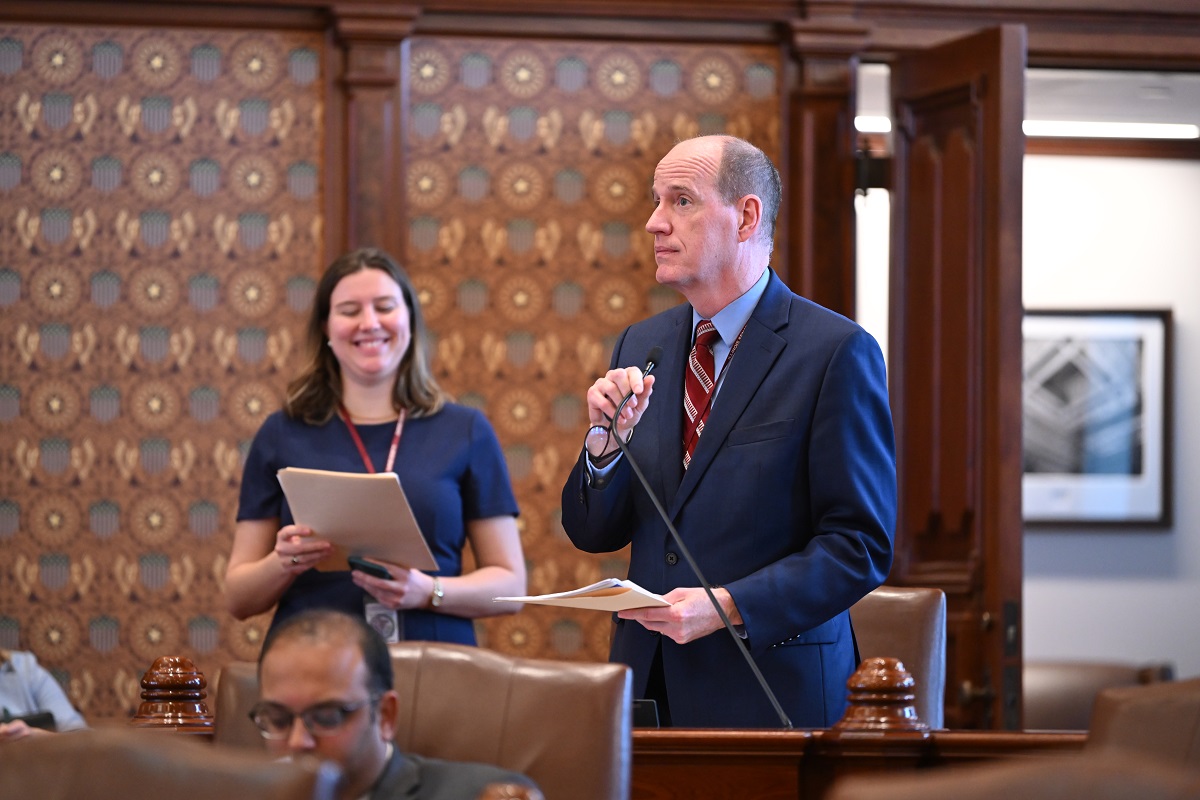
SPRINGFIELD – State Senator Bill Cunningham’s legislation to prevent genetic marker data from being used by employers and insurers has passed out of the Senate.
“With the field of medicine progressing, we face a new set of privacy challenges,” said Cunningham, a Democrat who represents portions of Chicago and the Southwest Suburbs. “We want to encourage people to take part in these new beneficial practices, while keeping important genetic data about them out of the wrong hands.”
Senate Bill 2886 would update Genetic Information Privacy Act to expand existing safeguards to include biomarker testing, in addition to genetic testing. The measure clarifies that information derived from these tests is confidential and privileged, and may only be released to the individual tested or to those specifically authorized in writing.
Under this legislation, insurers would be prohibited from seeking or using information derived from genetic or biomarker testing, unless an individual voluntarily submits favorable results. The bill also would limit employer’s access to the information, protecting from discrimination.
“Your personal health and wellbeing should be shared with who you want, not with who’s looking,” said Cunningham. “This bill will ensure that your genetic marker information will not fall into the hands of prying employers or insurers.”
Senate Bill 2886 has passed out of the Senate and heads to the House for further consideration.
- Details
- Category: Press Releases
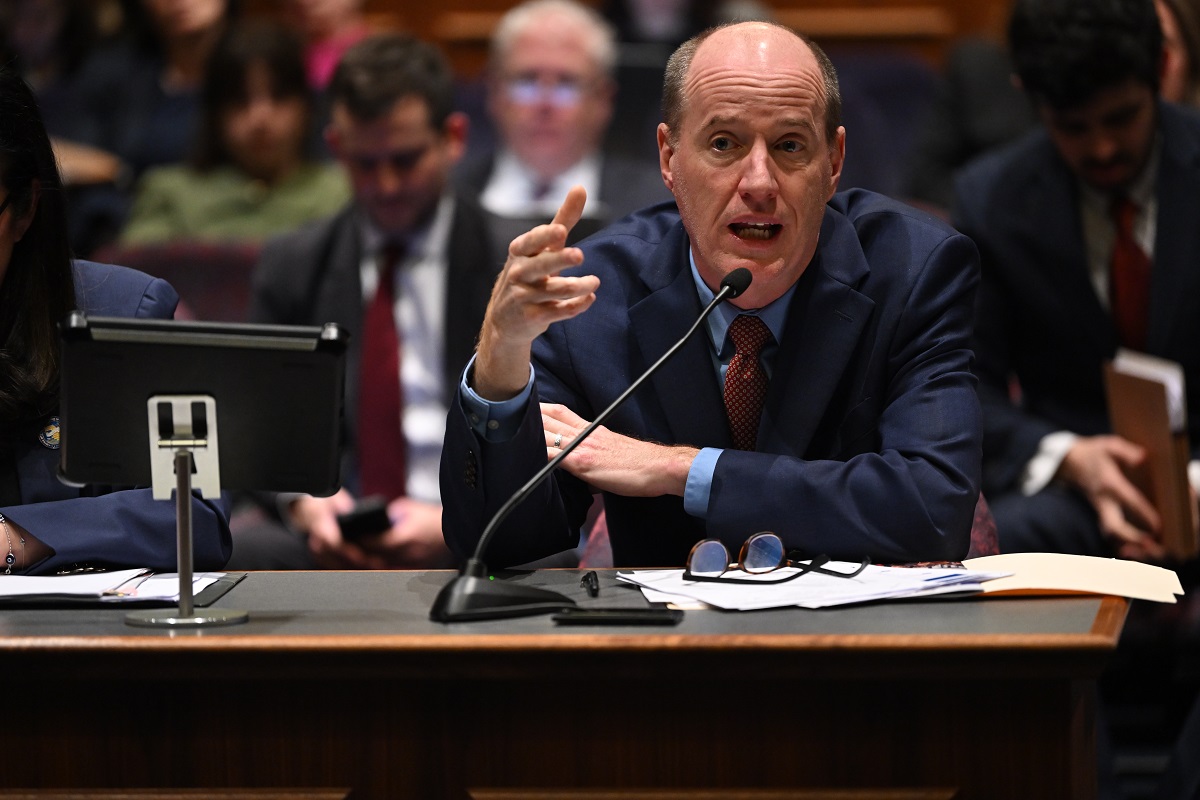
SPRINGFIELD – State Senator Bill Cunningham has advanced legislation to help Illinois public schools develop solar energy projects.
“As the federal administration cuts back on clean energy, we want to provide schools with alternative energy opportunities that will lower costs and benefit students,” said Cunningham, a Democrat who represents portions of Chicago and the Southwest Suburbs. “This legislation will streamline the process so districts can install solar projects without unnecessary delays.”
Under Senate Bill 3273, electric utilities would be required to complete interconnection-related evaluations, reviews and screenings within 30 days after determining that a request is complete. Public school projects would also bypass the standard interconnection queue, allowing them to move forward more quickly.
The legislation also would requires utilities to disclose upgrade costs and construction timelines to schools as soon as possible after completing interconnection reviews, giving school districts clearer information when planning projects.
“By creating more avenues and reducing red tape, we are making it easier for schools to invest in energy solutions that save money and support sustainability,” Said Cunningham.
Senate Bill 3273 passed the Senate's Energy Committee on Thursday.
More Articles …
Page 1 of 37

Follow Sen. Cunningham


eNewsletter Signup
Contact Info
Springfield Office:
Senator 18th District
325-G Capitol Building
Springfield, IL 62706
(217) 782-5145
(217) 782-2115 FAX
District Offices:
10400 S. Western Ave.
Chicago, IL 60643
(773) 445-8128
(773) 672-5143 FAX